
Artificial Intelligence has become one of the most powerful study tools available to students today. But there’s a big difference between using AI to learn and using AI to cheat. When used correctly, AI can make you smarter, more confident, and more productive—without taking away your honesty or hard work.
This guide will show you exactly how to use AI responsibly, like a smart digital assistant that supports your learning instead of replacing it.
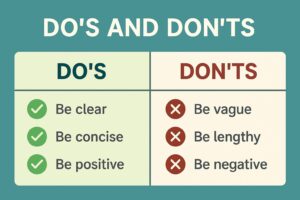
1. Understand What AI Should—and Should NOT—Do
AI can help you understand concepts, brainstorm ideas, break down difficult problems, or review your answers.
But AI should not write entire assignments for you or do work you’re supposed to do independently.
AI CAN help you with:
Explaining difficult topics
Suggesting ideas or outlines
Checking grammar and clarity
Practicing questions
Summarizing long texts
Learning faster with examples
AI SHOULD NOT be used for:
Full homework copy-paste
Writing your essay for you
Generating answers for exams or quizzes
Solving math questions without you trying
2. Use AI as a Learning Partner, Not a Shortcut
The best way to use AI is to treat it like a tutor.
Instead of asking:
❌ “Give me the answer.”
Ask this:
✅ “Explain this to me step-by-step so I can solve similar problems.”
This improves your learning and keeps you honest.
3. Ask AI for Explanations, Not Final Solutions
Here are better prompts that help you understand:
“Explain this concept to me like I’m 12.”
“Break this chapter into simpler points.”
“Show me 2–3 examples related to this topic.”
“What common mistakes do students make in this subject?”
This way you understand the topic instead of copying answers.
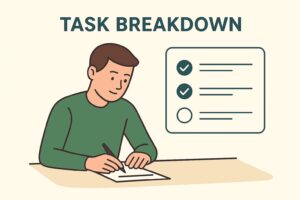
4. Use AI to Break Down Large Assignments
If your homework feels overwhelming, AI can divide it into small steps.
Example prompt:
“Help me break this assignment into smaller tasks and guide me through each step.”
You’ll learn more, finish faster, and avoid stress.
5. Use AI to Check Your Work (Not Replace It)
After you write an answer yourself, use AI to:
Fix grammar mistakes
Suggest better clarity
Check if explanations are correct
Identify if something is missing
It’s like having a personal editor.
Example prompt:
“I wrote this answer. Can you check it and tell me what I should improve?”
6. Learn How to Spot AI Mistakes
AI sometimes gives wrong answers.
So always double-check:
Math solutions
Science formulas
Historical facts
Citations
Dates/figures
Cross-check with your textbook or trusted websites.
Using AI responsibly means verifying information.
7. Use AI to Improve Critical Thinking
AI can help you think deeper.
Try asking:
“Give me an opposite viewpoint.”
“Explain why someone might disagree with this idea.”
“What questions should I ask to understand this better?”
This builds strong reasoning skills.
8. Use AI for Practice, Not Cheating
You can use AI to generate practice quizzes:
“Give me 10 practice questions on this chapter but don’t give the answers until I ask.”
This improves your memory, focus, and confidence.

9. Keep Your School’s Rules in Mind
Different schools have different AI rules.
Some allow AI for research, while others don’t allow AI for essays.
Always follow:
Teacher guidelines
Assignment instructions
School policy
Responsible use = safe use.
10. The Golden Rule: AI Should Make You Smarter
AI is a learning tool, not a shortcut.
If AI is doing the work for you, that’s cheating.
If AI is helping you understand more, that’s smart learning.
When used correctly, AI can:
Improve your study habits
Save time
Increase understanding
Boost confidence
Help you score better—honestly
Conclusion
AI is one of the greatest tools a student can use today—but only when used responsibly. If you treat AI like your personal tutor, you will learn faster, understand deeper, and stay honest in your academic journey.
Remember:
AI should support your brain, not replace it.