
Introduction
In 2025, as AI becomes more sophisticated, an important question for learners, parents, and educators is: Which is better — AI tutors or human tutors? The answer isn’t black and white. Each has distinct strengths and limitations. In many cases, the best outcomes come when both work together. Below we explore new research, practical advice, and real trends to help decide which suits you best.
What Are AI Tutors and Human Tutors?
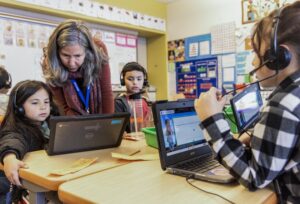
AI tutors are intelligent software systems built to teach, assess, and adapt. They use machine learning, data analytics, and sometimes natural language processing to personalize practice and feedback. Modern versions may detect student struggle or engagement and adjust accordingly.
Human tutors are real people — teachers, mentors, or experts — who explain concepts, ask probing questions, motivate learners, and respond to emotional cues. They excel in areas of nuance, creativity, and deep discussion.
Strengths & Weaknesses: AI vs Human
| Dimension | Strengths of AI Tutors | Weaknesses / Risks of AI Tutors | Strengths of Human Tutors | Weaknesses / Risks of Human Tutors |
|---|---|---|---|---|
| Availability & Scale | 24/7 access, can support many simultaneously | Requires devices, internet, infrastructure | Deep focus, tailor explanations | Limited hours, fewer students per tutor |
| Personalization | Fast adaptivity based on data | Risk of misdiagnosis or overfitting | Can address subtle misconceptions or context | Hard to scale deep personalization |
| Motivation & Emotional Support | Gamification, nudges, reminders | Lacks genuine empathy, subtle feedback | Encouragement, accountability, mentoring | Human limitations, bias, fatigue |
| Complex Thinking & Creativity | Good for structured tasks | Struggles with open-ended/discovery tasks | Excellent for inquiry, brainstorming, conceptual thinking | Slower feedback, limited scale |
| Cost / Resources | Lower cost at scale | Initial setup cost, maintenance, licensing | High impact in challenging areas | Higher ongoing cost per session |
What Recent Research (2023–2025) Shows
- A 2025 trial found that AI tutoring systems outperformed traditional active-learning classes, with students making faster gains and reporting higher engagement.
- The Tutor CoPilot study showed that when human tutors received real-time AI suggestions, their students were ~4 percentage points more likely to master topics. That implies AI can amplify tutor effectiveness.
- Experimental systems like NeuroChat that monitor cognitive engagement (e.g. via sensors) and adapt content dynamically show promise in increasing student attention, though learning gains are still under investigation.
- Systematic reviews of Intelligent Tutoring Systems (ITS) show generally positive effect sizes but with variability — many studies are short or small, and context matters.
When to Use AI, When to Use Human Tutors
Prefer AI tutors when:
- You need constant access (nighttime, irregular schedules)
- You want to do lots of practice or drills (math problems, vocabulary)
- You are managing many learners and need scalable support
Prefer human tutors when:
- You need deep conceptual explanation, discussion, or creativity
- You desire emotional support, encouragement, mentorship
- You’re dealing with ambiguous problems or writing, brainstorming
Best strategy: Hybrid / blended models
Let AI handle routine tasks, diagnostics, and feedback. Human tutors step in for deeper guidance, motivation, and nuance.
Practical Tips for Students & Educators
- Pilot AI tools on a small scale first; gather data on outcomes and engagement
- Train human tutors to work with AI (not be replaced) — teach them when to intervene, how to override AI suggestions
- Ensure equal access — provide alternatives for learners without devices or stable internet
- Teach “AI literacy” — help students question AI outputs, detect mistakes, and use AI responsibly
- Maintain human oversight — especially in high stakes tests or evaluations
Conclusion
In 2025, neither AI tutors nor human tutors are a universal best. AI offers scale, speed, and constant access; humans deliver nuance, empathy, and deep reasoning. The most promising path is collaboration: intelligent systems that support tutors, and tutors who use AI to reach more learners effectively.